

AI Voice Assistants in 2026:
We’re Finally Talking to Our Computers
ChatGPT Voice, Gemini Live, and Claude have shattered the old command-and-click era. Here’s the definitive guide to the LLM voice revolution — what’s different, what’s coming, and who’s winning.
“More and more people are talking to A.I. — not just commanding it, but using it as a true conversational partner. The age of typing is giving way to something far more natural.”
Cast your mind back just two years. The best you could do was ask Siri the weather or tell Alexa to play a song. Voice assistants were fancy alarm clocks — rigid, robotic, and frustrating the moment you stepped even slightly off their predefined script.
That era is now officially over.
In 2026, powered by large language models (LLMs), voice AI has become genuinely conversational. We’re talking about systems that understand sarcasm, hold context across long exchanges, interrupt gracefully, and switch languages mid-sentence. The New York Times captured it succinctly in January 2026: “We’ll finally be talking to our computers.”
This article breaks down exactly what has changed, compares the three dominant AI voice platforms — ChatGPT Voice Mode, Google Gemini Live, and Claude Voice — and explains why this shift matters for everyone from developers to daily users.
Section 01
Why 2026 Is Different: The LLM Voice Revolution Explained
The old generation of voice assistants — Siri, Google Assistant, Alexa — were built on intent-recognition engines. They parsed keywords, matched them to commands, and executed. Ask them something outside their training scripts and they collapsed.
Modern AI voice assistants are built on a fundamentally different architecture: large language models that reason, infer, and generate. They don’t just recognize what you said — they understand what you meant. This distinction is everything.
LLM-powered voice AI can handle topic pivots, follow-up questions, emotional nuance, multi-step reasoning, and real-time language translation — all within a single continuous conversation. Traditional voice assistants could do none of these reliably.
The technical ingredients that made this leap possible include: dramatically lower speech-to-text latency (now under 200ms for leading models), more expressive text-to-speech synthesis, and deeply integrated context windows that let the model remember everything said in the session. When you add the reasoning power of GPT-4o, Gemini 2.0, or Claude 3.5 as the “brain” behind the voice, you get something that genuinely feels like a conversation with an intelligent person.
This is why even major enterprises are rethinking their customer service stacks. Companies like PolyAI, Retell AI, and Hume AI are deploying LLM voice agents that are replacing traditional call center interactions — not because they’re cheaper, but because they’re better.
The Big Three: ChatGPT, Gemini Live, and Claude in 2026
Three platforms dominate the LLM voice space heading into mid-2026. Each has a distinct personality, a different strength, and a different vision for where voice AI is going. Here’s a deep dive into each.
ChatGPT Voice Mode
The most human-sounding voice AI on the market.
- Advanced Voice Mode fully integrated (Nov 2025)
- GPT-4o powered — emotion & sarcasm aware
- Realistic cadence: pauses, emphasis, empathy
- New 2026 voice model: ultra-low latency
- Overlap speech handling (speak simultaneously)
- Live translation across multiple languages
- Available on mobile and web (Plus/Pro)
Gemini Live
The daily-life powerhouse with eyes and ears.
- Android & iOS — 45+ languages, 150+ countries
- Camera/screen share for visual context
- Full Google ecosystem integration
- Mid-sentence interruption handling
- Replacing Google Assistant (by March 2026)
- On-device AI for personalized responses
- Adjustable speech speed
Claude Voice
The developer’s voice assistant — hands-free coding pioneer.
- Two-way voice since May 2025
- Claude Code voice mode: Mar 3, 2026 rollout
- Hands-free code refactoring via voice
- Activate with /voice or spacebar hold
- Strong in ethical reasoning & accuracy
- Available on mobile app (Pro+)
- Precise, dry — powerful for technical tasks
ChatGPT Voice Mode — The Emotional Intelligence Leader
OpenAI’s Advanced Voice Mode, fully integrated into the main ChatGPT interface since November 2025, is widely regarded as the gold standard for natural-sounding AI voice. Powered by GPT-4o, it doesn’t just speak — it performs. It pauses for effect. It stresses the right syllables. It registers surprise. When you share something difficult, it responds with warmth rather than clinical efficiency.
The June 2025 update introduced subtler intonation and empathic cadence, and the Q1 2026 model release pushed latency to near-imperceptible levels while adding support for overlapping speech — meaning you can interrupt, correct yourself, or think out loud while the model listens and adjusts.
“ChatGPT voice feels less like a tool and more like a thoughtful colleague who happens to know everything.” — Independent AI reviewer, February 2026
The platform is increasingly positioning voice as the primary interface — not a supplementary feature. Typing is becoming optional. This is especially evident in language learning, companionship applications, and customer support deployments, where the emotional quality of the voice carries as much weight as the accuracy of the answer.
Best for: Companionship, language learning, customer support, creative brainstorming, emotional conversations.
Gemini Live — The Multimodal Workhorse
Google’s approach to voice AI is pragmatic and deeply integrated into daily life. Gemini Live — available on Android and iOS across more than 150 countries — isn’t trying to be your therapist. It’s trying to be your most capable assistant for everything you do throughout the day.
What sets Gemini Live apart is its multimodal capability. You can point your camera at a recipe and ask for substitutions. You can share your screen and ask why the error is happening. You can be mid-conversation and say “actually, forget that — let’s talk about my afternoon instead” and Gemini follows without missing a beat. No other voice assistant handles context pivots this fluidly.
The ecosystem integration is another major differentiator. Gemini Live can pull from your Gmail, Google Photos, YouTube history, and Maps — providing responses that feel genuinely personalized rather than generic. By March 2026, Google will have completed the full migration from Google Assistant to Gemini on mobile devices.
Best for: Everyday tasks, navigation, smart home control, Google Workspace users, multilingual households.
Claude Voice — The Developer’s Secret Weapon
Anthropic’s Claude took a different path into voice AI. While OpenAI and Google raced toward maximum expressiveness, Anthropic focused on precision, accuracy, and a specific use case that no one else had properly addressed: hands-free software development.
The March 3, 2026 rollout of voice mode in Claude Code — initially to 5% of users, then expanding across weeks — is genuinely transformative for developers. Imagine walking through a codebase with your AI pair programmer, describing what you want to refactor, and hearing it executed while your hands are free. No keyboard. No mouse. Just conversation-driven software engineering.
Claude voice is activated in the Code environment by typing /voice or simply holding the spacebar. The model’s reputation for “dry but accurate” responses is, in this context, exactly what developers want: no filler, no sycophancy, just precise technical execution.
Best for: Software developers, technical researchers, professionals who need high-accuracy responses, hands-free coding workflows.
2026 Feature Comparison: ChatGPT vs Gemini vs Claude
Here’s how the three platforms stack up across the features that matter most in 2026:
| Feature | ChatGPT Voice | Gemini Live | Claude Voice |
|---|---|---|---|
| Voice Naturalness | Excellent — emotions, cadence, empathy | Very good — fluid, interruption-aware | Good — precise, clear, less theatrical |
| Real-Time Latency | Excellent (Q1 2026 model) | Excellent | Decent — improving in 2026 |
| Multimodal (Camera/Screen) | Screen share, photos | Camera + screen (best-in-class) | Basic (text + code focus) |
| Language Support | Multiple + live translation | 45+ languages, 150+ countries | Multiple languages |
| Ecosystem Integration | OpenAI suite | Full Google (Gmail, Maps, Photos) | Developer tools (Claude Code) |
| Developer / Coding Use | Good general coding | Good general coding | Best — hands-free code refactoring |
| Interruption Handling | Overlap speech support | Mid-sentence pivots | Standard |
| Emotional Intelligence | Highest — empathy, sarcasm, warmth | Good — conversational | Lower priority — accuracy-first |
| Platform Availability | Mobile + Web (Plus/Pro) | Mobile only (Android/iOS) | App + Claude Code (Pro+) |
| Unique Advantage | Best companion feel, 2026 voice model | Vision + Google integration | Hands-free coding pioneer |
ChatGPT leads for human-like conversation and emotional range. Gemini Live leads for practical everyday tasks and multimodal workflows. Claude leads for developers who want to build and debug software without touching a keyboard. There’s a clear winner for every type of user.
Real-World Use Cases: Who Benefits Most
The practical applications of LLM voice AI in 2026 stretch far beyond asking about the weather. Here’s how different user groups are putting these tools to work right now:
Software Developers
Hands-free code refactoring with Claude Code. Describe the change, hear it applied. Pair programming without a keyboard.
Language Learners
Real-time conversation practice with ChatGPT or Gemini Live. Corrections delivered naturally, not mechanically.
Customer Support
AI voice agents handling nuanced customer queries. Natural, empathic, and faster than human agents for common scenarios.
Students & Researchers
Brainstorming sessions, literature discussions, concept exploration — all via voice, hands-free, while taking notes elsewhere.
Multilingual Families
Gemini Live’s 45-language support means different family members can interact in their native language simultaneously.
Accessibility Users
For users with motor disabilities or visual impairments, LLM voice AI offers unprecedented access to computing power.
The Market Reality: Voice AI Is Becoming Serious Business
The numbers tell a clear story. The global voice AI market is projected to reach $34 billion by 2030, tripling from its 2025 size. Venture capital poured $6.6 billion into voice AI startups in 2025 alone — a figure that underscores just how seriously the industry is taking this shift.
Enterprise adoption is accelerating fastest. Traditional call centers, which employ tens of millions of people globally, are being restructured around AI voice agents capable of handling complex, emotionally nuanced conversations at scale. Companies like PolyAI, Retell AI, and Hume AI are not selling novelty — they’re selling measurable cost reduction and customer satisfaction improvements.
ElevenLabs and similar voice synthesis companies continue to push the frontier of realistic voice generation, while the major players (OpenAI, Google, Anthropic) have taken a different route: making their core LLMs voice-native from the ground up, rather than bolting on a voice layer afterward.
Despite the progress, real challenges remain: hallucinations (AI confidently stating incorrect information) still occur, privacy concerns around always-on microphones are legitimate, and latency — while much improved — can still break immersion in complex conversations. The 2026 updates are addressing these systematically, with context retention and agentic AI (proactive, task-completing agents) leading the charge.
The agentic dimension is perhaps the most significant emerging trend. Voice AI is moving from a reactive question-answering interface to a proactive agent that can initiate tasks, monitor goals, and take action on your behalf — without being explicitly prompted. This is where the next phase of the voice revolution is headed.
Voice AI and Hindi: How Does India Fit In?
For the world’s most linguistically diverse major market, multilingual support is not a nice-to-have — it’s the product. The good news is that all three major platforms have made Hindi support a genuine priority in 2026.
Gemini Live’s 45-language roster includes Hindi and several other Indian regional languages, and the integration with Android devices makes it the most accessible option for Indian users who may not have the latest hardware. ChatGPT’s live translation means you can begin a conversation in English and shift to Hindi mid-sentence — useful in code-switching environments that many urban Indian users navigate daily.
Claude’s Hindi support is functional in the mobile app, though it remains more focused on English-language technical tasks. As the platform matures its voice capabilities beyond the developer use case, regional language depth is expected to grow.
Conclusion: The Era of Talking Computers Is Here
The 2026 voice AI landscape isn’t a preview of what’s coming — it’s already here, already capable, and already changing how we work and communicate. The old command-based voice assistants had their moment. This is something fundamentally different.
ChatGPT Voice Mode delivers the most human-feeling conversation experience, with emotional intelligence that makes it genuinely pleasant to spend time with. Gemini Live is the practical daily companion, especially for users embedded in Google’s ecosystem or managing multilingual workflows. Claude Voice is the developer’s edge — a hands-free pair programmer that doesn’t exist anywhere else.
The movie Her imagined a world where people have deep, meaningful conversations with AI. That world is not arriving — it has arrived. Pick up your phone, try one of these voice modes, and experience it for yourself. The future stopped being abstract in 2026.
AI Voice Assistants 2026: A New Era of Communication
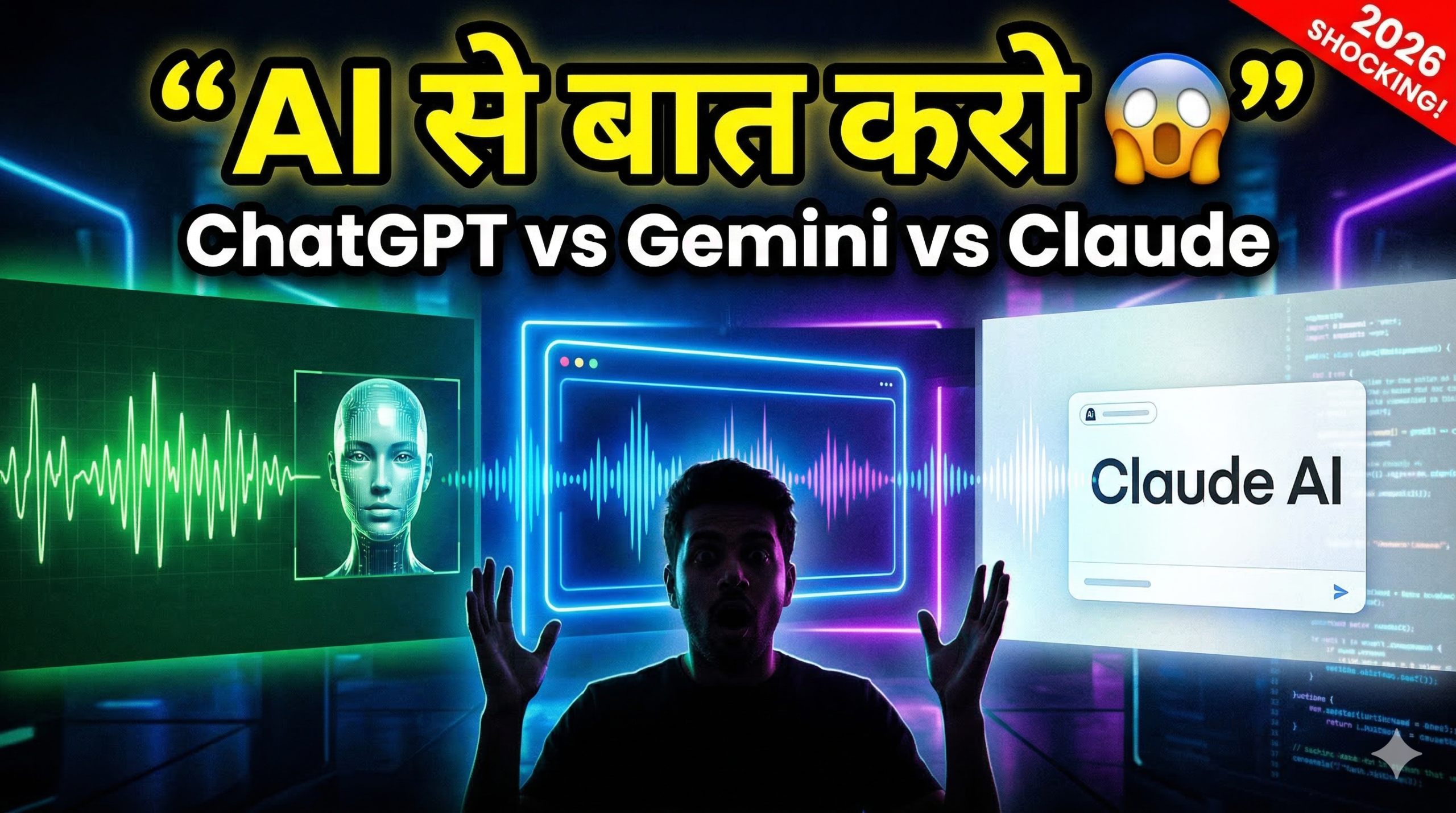
AI voice assistants 2026 comparison — ChatGPT, Gemini Live, and Claude Voice
AI Voice Assistants in 2026: ChatGPT, Gemini & Claude Compared | The Future of Talking to AI …


Best Gaming PC Cases Under ₹5000 in India (2026) – Budget RGB Cabinet Guide
1. IntroductionWhen planning a gaming PC build, most of us focus on the processor (CPU) and graphics card (GPU) first….
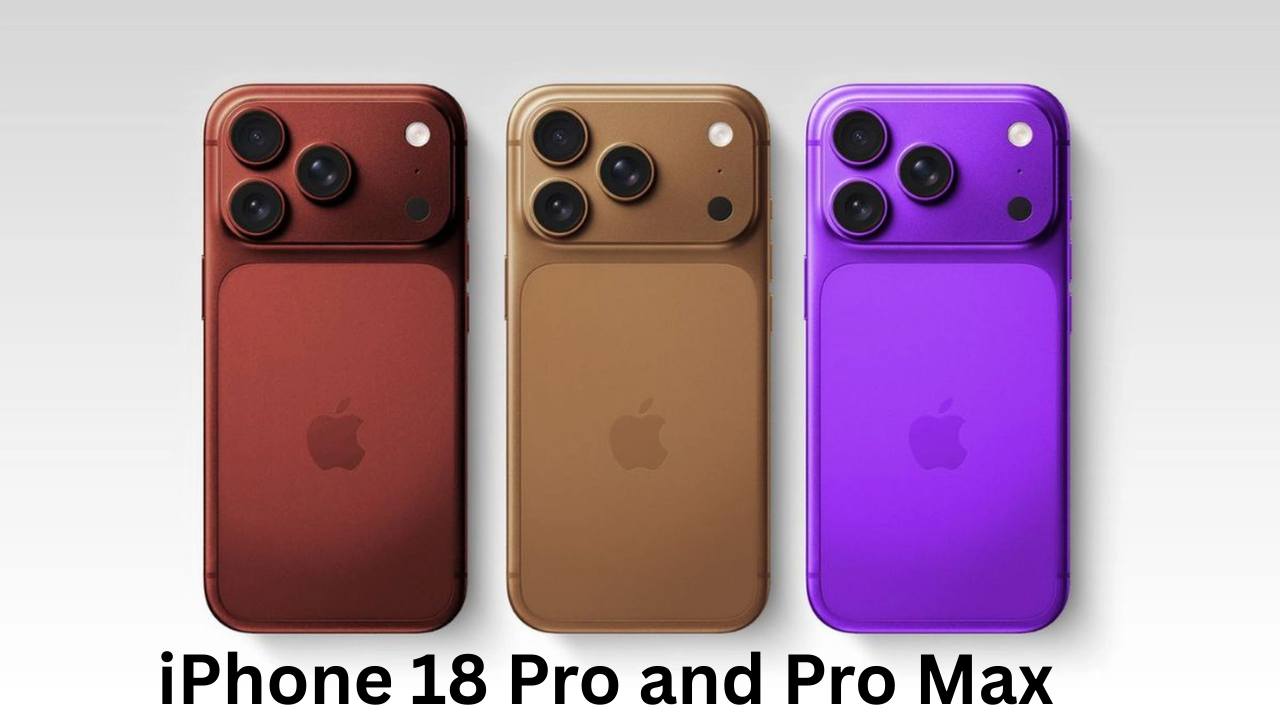
Apple iPhone 18 Pro Max 2026: भविष्य का स्मार्टफोन आज की चर्चा
दुनिया भर के टेक एन्थूजियस्ट और एप्पल फैंस के लिए हर साल सितंबर का महीना एक त्यौहार की तरह होता…
Premiere Pro vs DaVinci Resolve – कौन सा Software Best है? (2026 Full Comparison Guide)
Introduction: Video Editing Software क्यों जरूरी हैं? Premiere Pro vs DaVinci Resolve Hindiआज के समय में वीडियो सिर्फ entertainment तक…
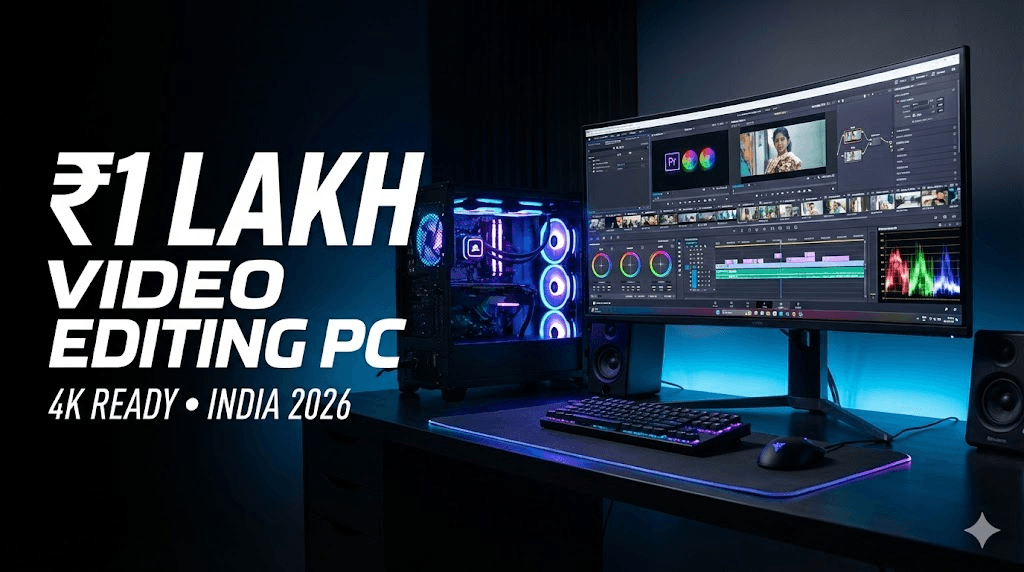
₹1 Lakh में Best Video Editing PC Build (India 2026) – 4K Editing Ready Setup
आज के समय में video editing सिर्फ एक skill नहीं, बल्कि एक career option बन चुका है। YouTube creators, Instagram…

Small Business Ideas with Government Support/Loans in India 2026 (Low Investment, High Profit)
🔶 Introductionभारत में 2026 वह साल है जब small businesses का growth curve लगातार ऊपर जा रहा है। Digital India,…